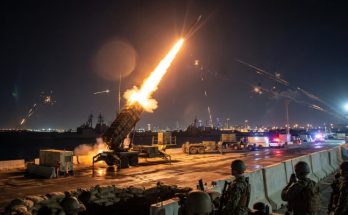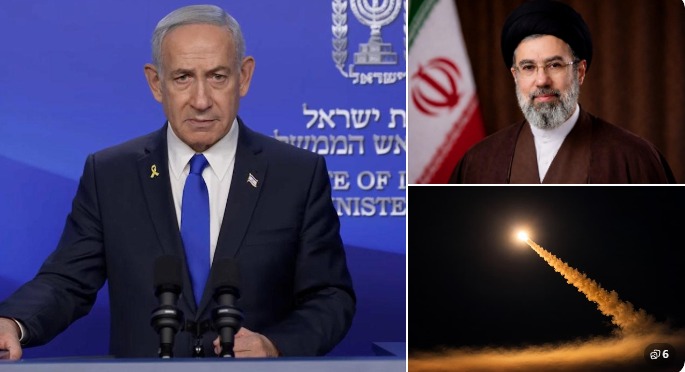
Israeli Prime Minister Benjamin Netanyahu has intensified his warnings against Iran, declaring that eliminating the threat posed by Tehran remains a central objective as the region braces for the possibility of renewed military action.
Netanyahu’s Strategic Objectives
In recent remarks, Netanyahu argued that removing Iran’s current government may be necessary to eliminate what he describes as an existential threat to Israel. His comments signal that the conflict’s political objectives extend beyond limiting Iran’s military capabilities.
The warning comes after months of confrontation between Israel, the United States and Iran. The war, which began in February 2026, has disrupted regional security and placed enormous pressure on international energy markets.

Netanyahu has also emphasized his close relationship with President Donald Trump, whose administration joined Israel in military operations against Iran. Trump has publicly urged Netanyahu’s supporters to back him, declaring that the two leaders must “finish the job.”
The language has raised questions about whether Washington and Jerusalem are preparing for another major military campaign. Officials and regional diplomats have continued discussing possible arrangements to prevent the conflict from escalating further.
Iran’s Position and Demands
Iran, meanwhile, has refused to accept demands that it considers incompatible with its sovereignty and security. Tehran has argued that negotiations cannot succeed if Washington maintains military pressure while demanding sweeping concessions.
The dispute has become especially difficult because the two sides disagree about what a settlement should accomplish. Israel wants Iran’s ability to threaten it substantially reduced, while Iranian officials insist that any agreement must address attacks, sanctions and security guarantees.

Military Capabilities and Regional Concerns
Netanyahu has portrayed Iran as increasingly weakened by the conflict, but the phrase “Iran is flailing” should not automatically be attributed to him as a verified direct quotation. Similar language has been used by American officials describing Iranian military responses.
Military analysts caution that describing an adversary as weakened does not mean it has lost the ability to retaliate. Iran retains capabilities that could threaten Israeli territory, American installations and shipping across strategically important waterways.
The Strait of Hormuz remains a major source of international concern. Disruptions to traffic through the narrow passage can affect oil shipments, increase transportation costs and send shockwaves through global energy markets.
Those economic consequences have made the conflict a domestic political issue in the United States as well. Higher fuel costs and uncertainty over the war have added pressure on the Trump administration ahead of the November midterm elections.
Diplomatic Efforts and Negotiations
Diplomatic efforts have continued alongside military preparations. Qatar, Pakistan, Saudi Arabia, Turkey and other regional actors have participated in efforts to reduce tensions and encourage renewed negotiations between Washington and Tehran.
A proposal discussed through intermediaries has included reopening the Strait of Hormuz under new arrangements, alongside changes to maritime restrictions and other disputed measures. However, the parties have not reached a comprehensive settlement.

Iran has also insisted that its nuclear program cannot be separated from broader questions of sovereignty and security indefinitely. Washington, by contrast, wants meaningful guarantees that Tehran cannot develop nuclear weapons.
Netanyahu’s position creates another complication for negotiators. If Israel continues to view regime change as the necessary outcome, a limited nuclear agreement may not satisfy its government’s strategic objectives.
Strategic Dilemmas and Uncertain Future
For Tehran, the prospect of renewed strikes reinforces its belief that concessions may not guarantee an end to military pressure. That mistrust makes compromise harder, even when the economic costs of continued fighting grow.
The United States faces its own strategic dilemma. Renewed attacks could damage Iranian military infrastructure, but they could also trigger retaliation, prolong the conflict and create additional risks for American personnel and regional partners.
Reports published in late October indicate that regional mediators are attempting to secure a diplomatic breakthrough before the US midterm elections. At the same time, military preparations have reportedly continued in case negotiations fail.
No new large-scale bombing campaign should be treated as inevitable, however. Public warnings, contingency planning and diplomatic pressure do not establish that a final decision to resume attacks has been made.
Netanyahu’s hard-line rhetoric nevertheless underscores how fragile the situation remains. Even if negotiations resume, disagreements over Iran’s nuclear ambitions, regional influence and political future could make a durable agreement difficult to achieve.
The coming weeks may determine whether the region moves toward another round of devastating attacks or finds a narrow path back to diplomacy. For now, competing threats and negotiations are unfolding simultaneously, leaving the future of the conflict uncertain.