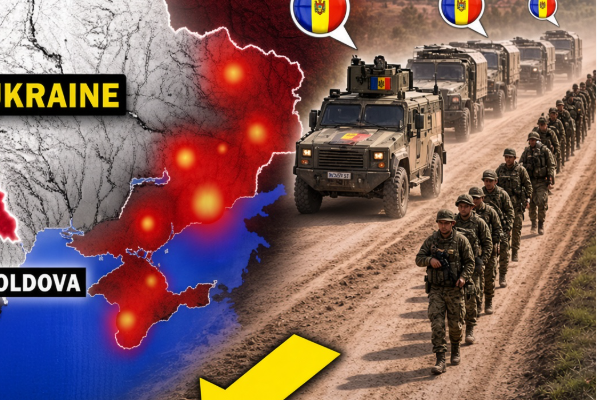
Moldova is accelerating its shift away from Russian influence through military modernization, energy diversification, and closer integration with the European Union. The reported strategy includes a $57 million EU grant and the acquisition of Western-made Roshel armored vehicles, part of a broader effort to replace aging Soviet-era equipment and strengthen national defense capabilities.
Energy Security and European Diversification
Energy security is another central element of this transition. Moldova has expanded cooperation with Romania to diversify electricity supplies and reduce its historical dependence on Russian energy. These connections could limit Moscow’s ability to use energy supplies as political leverage, although the extent of Moldova’s remaining vulnerabilities depends on its energy mix, infrastructure, and access to alternative sources.
The Transnistria Challenge
The situation is particularly sensitive in Transnistria, the breakaway region where approximately 1,500 Russian troops are reported to be stationed. Moldova’s geographic position and its lack of direct control over the territory complicate the Russian military presence. However, claims that the troops are completely isolated or have lost all supply routes require independent verification.
Countering Foreign Interference
Meanwhile, authorities in Chisinau have intensified efforts to counter alleged foreign interference, disinformation, and illicit political financing. These measures form part of a wider effort to protect Moldova’s institutions as it pursues closer European integration.
EU Accession and Future Outlook
Moldova has set an ambitious European Union accession agenda, with 2030 discussed as a target. Possible unification with Romania remains a separate and politically sensitive question, not an established government outcome. Together, these developments illustrate Moldova’s attempt to strengthen its sovereignty while navigating significant regional security and political challenges.