Obama’s Accusations Against Trump Administration
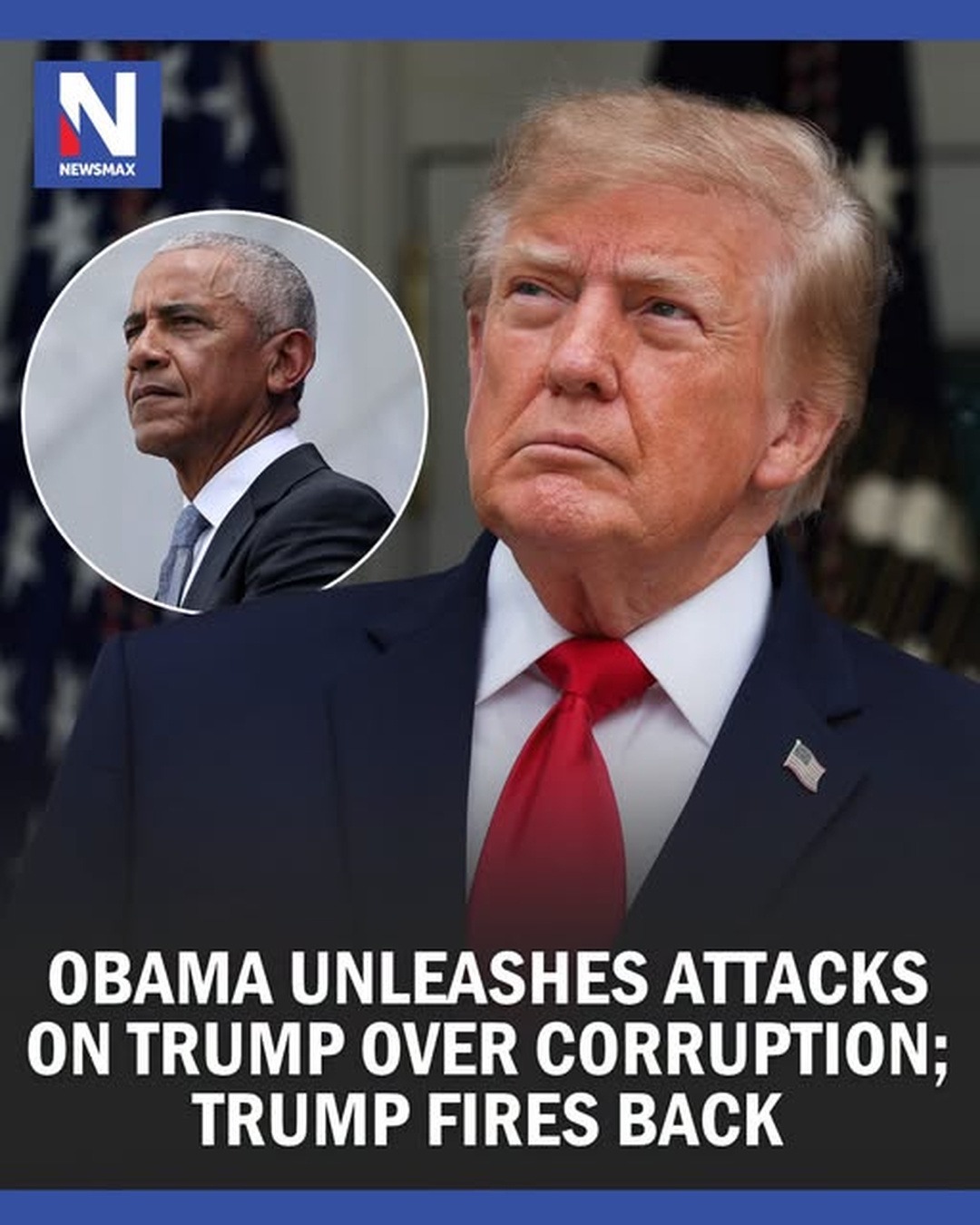
Former President Barack Obama has launched a fierce political offensive against Donald Trump, accusing the Republican administration of corruption, incompetence, and failing ordinary Americans as November’s midterm elections approach.
Speaking at Democratic campaign rallies in Cleveland, Ohio, and Detroit, Michigan, on October 24, Obama urged voters to hold the administration accountable and support Democratic candidates competing in closely watched races.
His remarks came just ten days before the November 3 elections, when control of Congress could determine how effectively Republicans continue advancing Trump’s legislative agenda during the remainder of his presidency.
Economic Concerns and Policy Criticism
Obama accused Trump and his political allies of prioritizing wealthy interests while American households struggle with rising expenses, economic uncertainty, and concerns about the administration’s policy decisions.
He argued that voters should evaluate the president’s performance by examining everyday economic realities rather than accepting political promises that have not translated into meaningful improvements for working families.
The former president also criticized Trump’s approach to Iran, arguing that the conflict was unnecessary and had contributed to higher energy costs that could place additional pressure on American consumers.
Obama’s comments reflected a broader Democratic campaign strategy centered on the cost of living, government accountability, and concerns about the consequences of the administration’s domestic and foreign policy choices.
White House Renovations and Campaign Focus
He also questioned Trump’s emphasis on renovating the White House, contrasting the president’s highly visible construction projects with what Obama described as insufficient attention to affordability and ordinary Americans’ financial struggles.
At one rally, Obama mocked the lavish appearance of the renovations, using a provocative comparison that quickly became one of the most widely discussed moments from his campaign appearances.
His criticism extended beyond the president personally, targeting congressional Republicans whom he accused of failing to provide adequate oversight and challenge policies he considered harmful to the public.
Obama urged voters to recognize the midterm elections as an opportunity to change the balance of political power in Washington and impose greater accountability on the administration.
Trump’s Response and Counterattack
Trump did not remain silent. Responding through social media and campaign appearances, the president attacked Obama’s record in office and questioned the former president’s judgment and political credibility.
In a post on Truth Social, Trump described Obama as grossly incompetent and repeated his criticism of the previous administration’s Iran nuclear policy, reviving a long-running dispute between the two political figures.
Trump also targeted Democratic Senate candidate Abdul El-Sayed, whom Obama had supported during his Michigan appearance, using inflammatory language that intensified the confrontation surrounding the closely contested race.
Midterms as Political Referendum
The exchange demonstrated how the upcoming midterms have become a referendum on more than individual congressional candidates, with both parties attempting to mobilize voters around competing assessments of presidential leadership.
For Democrats, Obama’s involvement offers a prominent campaign surrogate capable of attracting large audiences, energizing supporters, and connecting local contests to national concerns about the administration’s direction.
For Republicans, Trump’s continued campaigning provides an opportunity to defend his policies, reinforce loyalty among his supporters, and portray Democratic criticism as an effort to undermine his presidency.
National Debate and Political Polarization
The political confrontation is unfolding amid intense debate over inflation, energy prices, immigration, government spending, and the broader economic consequences of decisions made by the federal government.
Neither side has offered a shared interpretation of the country’s challenges, and the competing accusations illustrate how deeply polarized the American political landscape remains ahead of Election Day.
The results could significantly affect congressional investigations, legislative negotiations, and the administration’s ability to move its priorities through a closely divided Congress during the next two years.
Obama’s attacks and Trump’s response have therefore become part of a larger struggle to shape the national conversation, influence undecided voters, and define responsibility for America’s current difficulties.
With Election Day approaching, both parties face the challenge of turning campaign rhetoric into votes, while Americans weigh competing claims about leadership, economic performance, corruption, and the future direction of the country.
Trump’s Warning to Voters About Republican Losses
President Donald Trump has issued a blunt warning to American voters, saying they will have nobody but themselves to blame if Republicans lose control of Congress in November’s midterm elections.
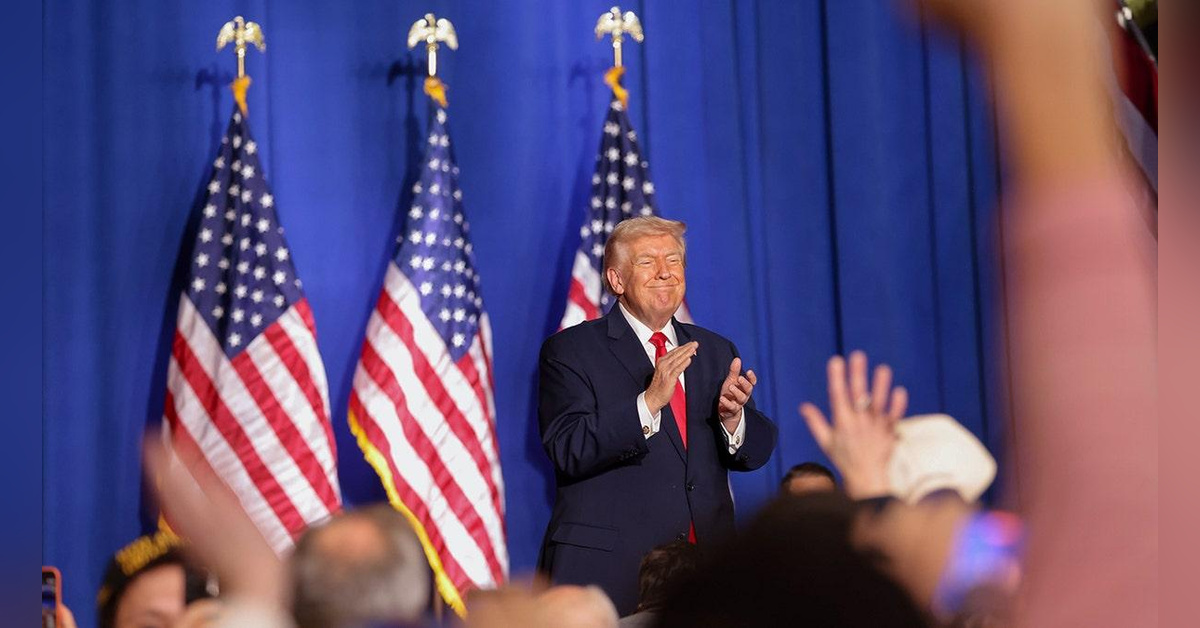
Trump made the remarks during a campaign rally in Michigan on October 25, as Republicans face an increasingly difficult fight to maintain their congressional majorities.
“You will only have yourselves to blame, and I don’t think there’s any coming back from that either,” Trump told the crowd.
The statement placed unusual pressure on voters, suggesting that a Republican defeat would represent a serious political failure with consequences extending beyond the election itself.
Congressional Control at Stake
With Election Day approaching on November 3, control of the House of Representatives and Senate has become a major test of Trump’s political influence.
Republicans currently hold narrow majorities in both chambers, leaving them vulnerable to relatively small shifts in voter support across competitive districts and states.
Democrats are hoping to capitalize on public frustration over the cost of living, healthcare expenses, immigration policies and the administration’s handling of the Iran conflict.
Recent polling has also raised concerns among Republican strategists, with Trump’s approval ratings and the party’s prospects becoming increasingly difficult to separate.
Trump’s Aggressive Campaign Strategy
Trump has responded by campaigning aggressively, traveling across the country and urging supporters to treat the midterm elections as a direct judgment on his presidency.
Although his name will not appear on the ballot, he has repeatedly encouraged voters to imagine that he is personally running in every congressional race.
The president has also argued that Republican candidates deserve credit for supporting his administration’s agenda, making their electoral performance closely connected to his own political reputation.
However, his latest comments in Michigan appeared to shift responsibility toward voters before the results were even known.
Republican Strategy and Accountability Concerns
The remarks come amid growing concern within Republican circles about whether the party’s campaign strategy is effectively addressing economic dissatisfaction and declining confidence among independent voters.
Trump has previously blamed historical midterm voting patterns, campaign advisers and political messaging for the difficulties facing Republican candidates.
Reuters reported that he had also questioned campaign spending, redistricting efforts and candidate-selection decisions as Republicans struggled to defend their congressional positions.
The president’s comments have therefore added another dimension to the debate over accountability, particularly as vulnerable Republicans attempt to distance themselves from unpopular parts of his agenda.
Democratic Opportunity and Potential Consequences
For Democrats, Trump’s warning offers an opportunity to argue that the president is placing responsibility on ordinary Americans rather than accepting criticism of his administration.
Republican supporters, meanwhile, may interpret his remarks as an urgent call to participate, emphasizing that low turnout could determine whether the party retains control of Congress.
The consequences of a Republican defeat could be significant, potentially giving Democrats greater power to investigate the administration, challenge legislation and influence congressional oversight.
Even without control of Congress, however, Trump would retain presidential veto powers and substantial authority over executive decisions, limiting how far Democrats could reshape federal policy.
Trump’s Political Future and Midterm Stakes
Ultimately, Trump’s warning reveals how personally he views the upcoming midterms and how much his political future is tied to the performance of Republican candidates.
With only days remaining before voters head to the polls, the central question is whether his aggressive campaigning will motivate Republican supporters or deepen frustration among undecided Americans.