Washington, D.C. — October 16, 2026
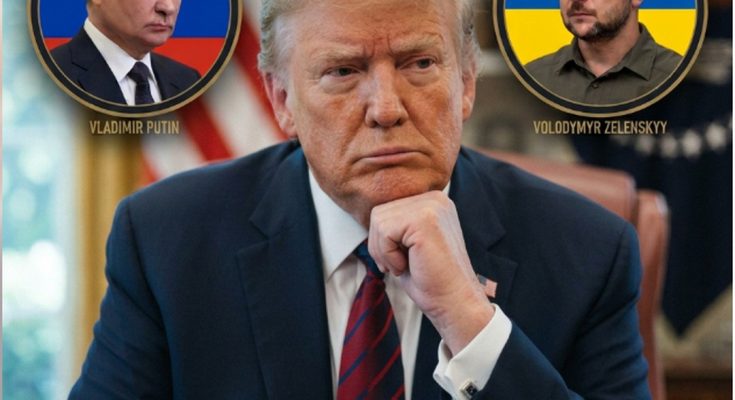
U.S. President Donald Trump renewed his criticism of Ukrainian President Volodymyr Zelensky in an interview published on October 15, questioning his willingness to negotiate and saying he was more difficult to deal with than Russian President Vladimir Putin.
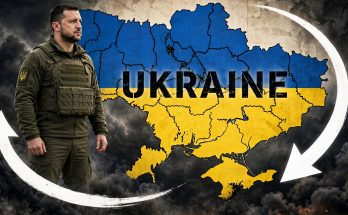
Trump’s remarks, delivered during an interview with Newsmax, added to growing tensions between Washington and Kyiv as efforts to end Russia’s war against Ukraine continue to face serious obstacles.
Trump Questions Zelensky’s Commitment to Peace

The American president accused Zelensky of saying he wanted a settlement without genuinely pursuing one, challenging the Ukrainian leader’s public commitment to ending the conflict through negotiations.
“He says he wants to settle, but he doesn’t,” Trump said, according to reporting on the interview. He also described himself as not being a fan of Zelensky.
Trump went further, saying Zelensky was “not a good guy for us to deal with,” a personal criticism that underscored the increasingly confrontational tone between the two leaders.
He also compared negotiations with Zelensky and Putin, saying he found the Ukrainian president more difficult to deal with than the Russian leader.
The comparison is politically significant because Russia launched its full-scale invasion of Ukraine in February 2022, and Kyiv continues to seek international support for its defense and sovereignty.
Mutual Distrust and Energy Strikes Complicate Ceasefire

Trump argued that personal hostility between Zelensky and Putin complicates efforts to reach an agreement, suggesting that their mutual distrust remains a major obstacle to a negotiated settlement.
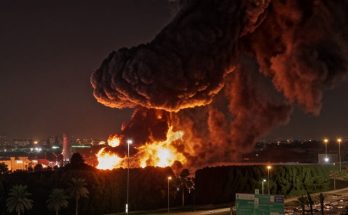
The interview also focused on Ukraine’s renewed attacks against Russian oil refineries, which Trump criticized as damaging to global energy markets and contributing to higher fuel prices.
Ukraine resumed strikes on Russian energy infrastructure after Moscow continued attacking Ukrainian energy facilities, according to recent reporting, highlighting the competing military priorities complicating attempts to establish a lasting ceasefire.
Trump described the Ukrainian strikes as a “disgrace,” arguing that targeting refineries producing diesel fuel could affect supplies needed by the United States and other countries.
Kyiv, however, has argued that Russia’s continued attacks on Ukrainian energy infrastructure undermine the basis for limiting Ukraine’s own strikes against Russian facilities.
The dispute illustrates a widening disagreement over how a ceasefire should work, particularly whether Ukraine should suspend attacks while Russian strikes against Ukrainian targets continue.
Broader Tensions and Diplomatic Uncertainty

Trump’s latest comments follow other public criticism of Zelensky, including his earlier suggestion that Ukraine should choose a new president capable of reaching an agreement.
Zelensky has also expressed frustration with Washington’s approach. In an interview reported by Reuters on October 14, he said it was painful when Trump appeared to take Russia’s side.
The Ukrainian president emphasized that he wanted the United States to remain a strong partner, while maintaining that Ukraine could not simply surrender its national interests for a political settlement.
Meanwhile, Trump has portrayed Putin as willing to negotiate, while insisting that both sides must take steps toward ending the war. That assessment remains disputed amid continuing attacks and competing demands.
The diplomatic strain also comes as Ukraine seeks continued military, intelligence and political support from Western partners while Russian forces maintain pressure on Ukrainian cities and infrastructure.
Whether Trump’s public criticism will change the course of negotiations remains uncertain. The immediate challenge is finding terms acceptable to both Kyiv and Moscow without further undermining security on the ground.
For now, Trump’s remarks have placed the relationship between the U.S. and Ukrainian presidents back in the spotlight, raising fresh questions about Washington’s mediation role and the prospects for peace.